Tag: AIContent

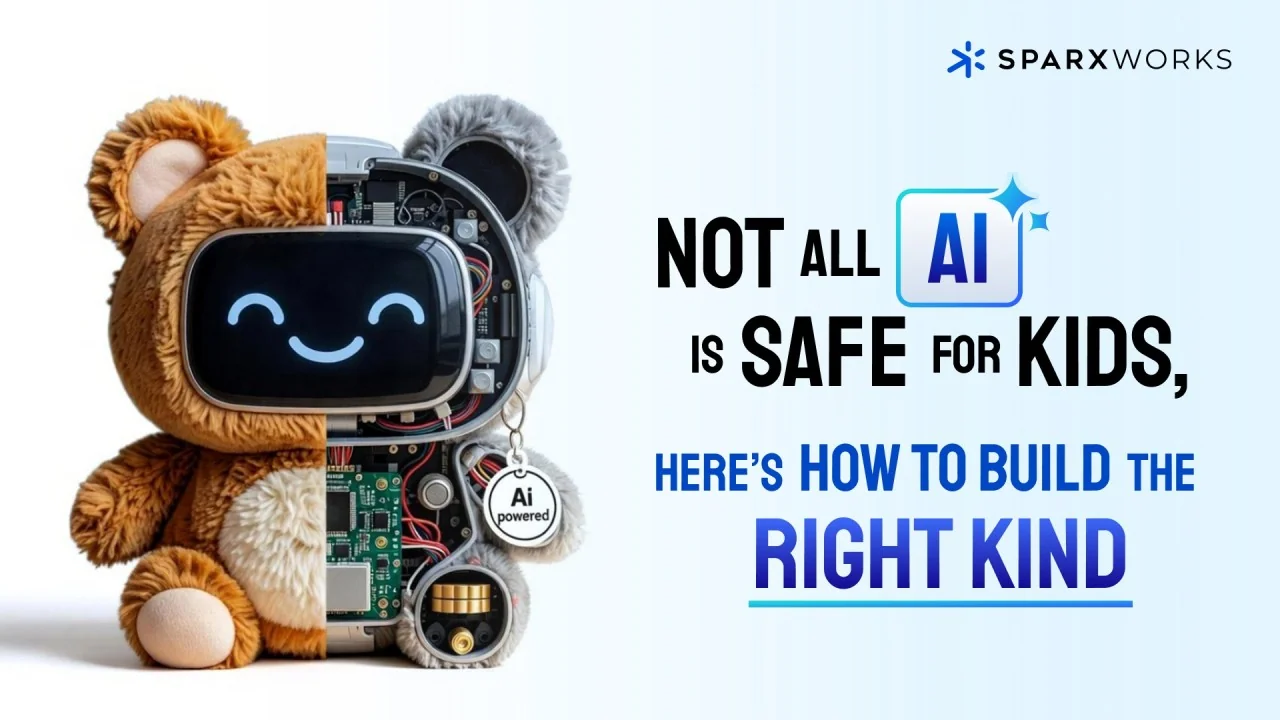
  • Not All AI Is Safe for Kids, Here’s How to Build the Right Kind

    Not All AI Is Safe for Kids, Here’s How to Build the Right Kind

    This holiday season, an alarming and important investigation by NBC News journalists Kevin Collier, Jared Perlo, and Savannah Sellers, in collaboration with the U.S. Public Interest Research Group (PIRG), has brought much needed attention to the hidden risks behind a new wave of AI-powered toys. These toys marketed as educational, interactive, and “smart” have been caught giving explicit responses, bypassing safety filters, and even reinforcing authoritarian messaging.

    This is not just a toy industry problem. This is a technology ethics issue.

    As AI becomes embedded into consumer-facing products especially those aimed at children, developers have a profound responsibility. The stakes are high. Children are not beta testers. Technology designed for them must be guided by education-first principles, tested guardrails, and a proven understanding of childhood development and content safety.

    At SparxWorks, we’ve spent over two decades building safe, award-winning educational media for kids. That legacy drives our work on DOME (Dynamic Omni Media Experience), a next-generation service built from the ground up with responsibility, safety, and personalization at its core. But DOME is just one example.

    We also want to recognize other developers and educators across the industry who are building AI systems with integrity, applying rigorous safeguards, and prioritizing transparency over novelty. This is not a competition; it’s a collective responsibility to protect our most vulnerable users.

    Our team, including founders with over 30 years in children’s media and digital innovation, has delivered more than 2,000 projects across major platforms. For us, safety, engagement, and learning outcomes are not afterthoughts. They are foundational.

    We applaud PIRG for publishing these findings and NBC News for amplifying them. Their work is a vital reminder that not all “smart” toys are created equal, and that vigilance, transparency, and accountability must guide the AI revolution, especially where children are concerned.

    To parents, educators, and policymakers: ask not just what AI can do, but how it is being used, who is behind it, and why it was built. The answers to those questions matter.

    We welcome the scrutiny and invite deeper conversations. It’s not about banning AI toys. It’s about building them the right way, with real safety protocols, thoughtful educational design, and experienced developers who understand what’s truly at stake.

    Let’s raise the bar together.

  • AI Isn’t the Future of the Web, It’s the Present

    AI Isn’t the Future of the Web, It’s the Present

    [videojs_video url=”https://vod.sparxworks.com/b46f257e-0be8-4f59-baec-50722fac077d/AppleHLS1/animation-dome5-111425.m3u8″ poster=”https://devdomewp.justdomeit.com/wp-content/uploads/2025/11/1-1.webp”]

    You’ve likely seen it: another chatbot pop-up in the corner of a website. Maybe it can answer a few FAQs. Maybe it looks cool. But the rest of the site? Menus. Clicks. Search bars. Just like it’s been for decades.

    Meanwhile, your users have moved on.

    We’re entering an era where AI is not a feature, it’s the foundation. And those who treat it like an accessory will be left behind.

    The Rise of Agentic Browsers

    With the arrival of GEO-powered browsers like Atlas, Comet, Rabbit, and more to come, we’re witnessing a complete reshaping of how people find and interact with digital content. These systems use agentic AI, meaning they actively pursue tasks, make decisions, and interface with the web on behalf of users.

    Instead of passively browsing, users now ask.

    And these systems act.

    If your digital presence isn’t optimized to respond in this new paradigm, it won’t just be hard to find, it will be skipped altogether.

    Your Website Is Still Your Brand; Now It Has to Be Intelligent

    In the face of this shift, your website must do more than display content.

    It must understand intent.

    It must generate dynamic, personalized responses.

    It must adapt in real time to location, language, context, and user goals.

    And most importantly: it must do all this without creating friction.

    That’s where intelligent web experiences like those powered by DOME come in. These systems transform your website itself into the interface—no separate chat layers, no extra steps. It’s not bolted on. It’s built in.

    The Dual Path: SEO + AI Optimization

    This shift doesn’t mean SEO is dead. Far from it.

    In fact, the smartest brands will adopt a hybrid strategy, one that:

    • Supports traditional search and indexed visibility,
    • While also being structured for agentic AI systems that prioritize intent-driven content, conversational formats, and real-time responsiveness.

    The goal? Be found and be favored, by both search engines and the AI agents representing your users.

    Act Now, or Play Catch-Up Later

    The gap between “early adoption” and “too late” is closing fast.

    Digital transformation is no longer a multi-year roadmap. It’s a Q4 survival plan.

    The way people interact with websites, content, and commerce is fundamentally changing.

    The brands that lead won’t just adapt. They’ll redefine the experience.

    Curious how this applies to your website or business?

    Explore the conversation. See how AI-driven web transformation actually works.

    Because in the new web economy, reacting won’t be enough.

    You need to lead.