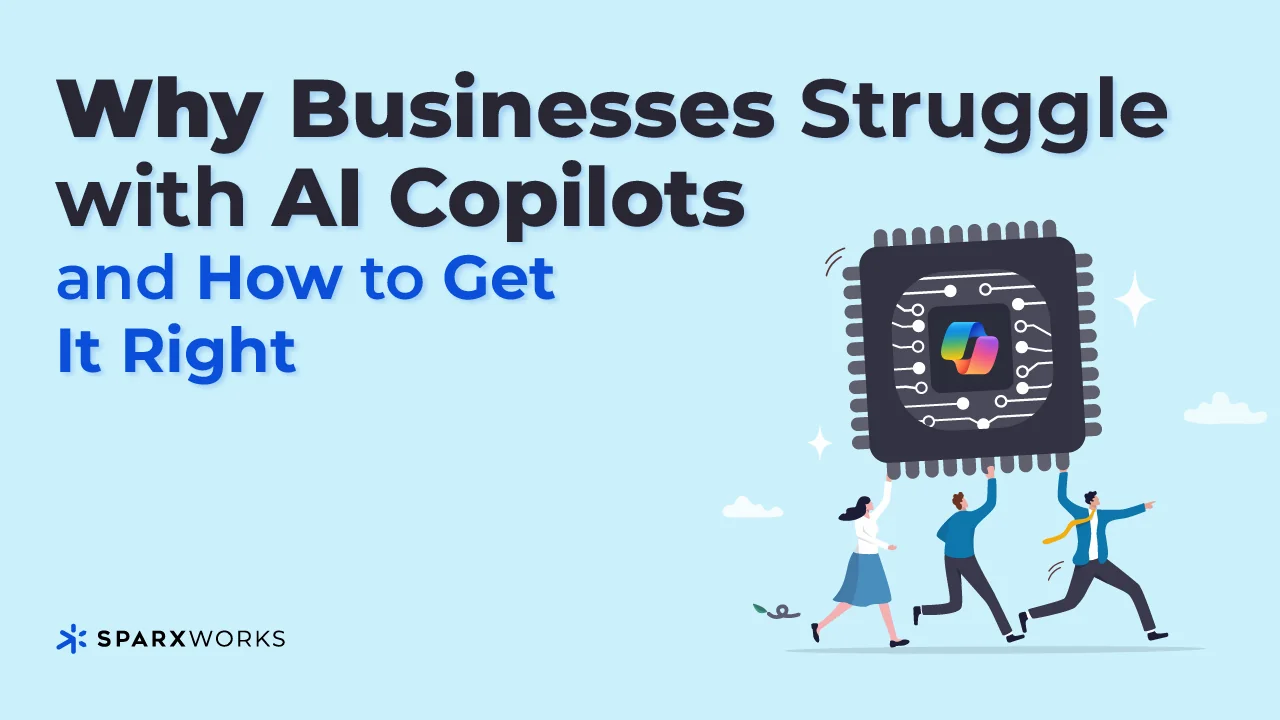
AI copilots like Microsoft 365 Copilot are game-changers, promising to revolutionize the way businesses operate. Yet many companies are finding that integrating them into operations and services isn’t as seamless as advertised. Let’s talk about why—and how to overcome these challenges.
One of the biggest hurdles is data preparation. Microsoft paints a picture of effortless AI adoption: connect your data, hit go, and watch the magic happen. But the reality is much more nuanced. Most organizations lack a clear roadmap for preparing their data, ensuring it’s clean, organized, and accessible for AI models. Without this foundation, copilots can’t deliver consistent, accurate results.
Another challenge is complexity. While Microsoft offers tools to customize and connect copilots, navigating these capabilities requires more than basic technical know-how. Building effective prompts and customizing GPTs to meet unique business needs takes specialized skills. And let’s not overlook Microsoft’s tendency to oversimplify the process, which can leave executives blindsided when things don’t “just work.”
Finally, there’s the issue of data security and oversharing. Recent reports show that copilots can unintentionally expose sensitive data. It’s a problem Microsoft is working on, but in the meantime, companies need robust governance to avoid unintended leaks.
So, how do you tackle these challenges?
- Prioritize Data Readiness. Take a step back and assess your data. Is it structured, complete, and accessible? Invest in tools and workflows that clean and organize your data before introducing AI.
- Partner Strategically. Not every business has in-house expertise in prompt engineering or GPT customization—and that’s okay. Partnering with experts can accelerate your journey and minimize missteps. That’s why SparxWorks joined forces with PulseOne, a nationwide leader in Managed IT Services. Together, we’re helping businesses bridge these gaps, from data preparation to full-scale AI integration.
- Educate Your Team. Copilots require thoughtful implementation. Train your team to build better prompts and understand the nuances of AI behavior.
The promise of AI copilots is real, but the path to unlocking their full potential requires careful planning. If you’re struggling with how to prepare your organization, let’s connect. SparxWorks and PulseOne are here to make the process as seamless—and impactful—as possible.
I’d love to hear your feedback on Copilot implementations—what’s worked, what hasn’t, and any best practices (or lessons learned) along the way.