Tag: DigitalHollywood

  • Designing Realities: Where Brands, Behavior, and Immersive Tech Collide

    Designing Realities: Where Brands, Behavior, and Immersive Tech Collide

    I’ll never forget walking through a pop-up concept store for a major brand that had turned its physical space into an AR-enhanced playground. Shoppers weren’t just browsing—they were exploring, engaging, and immersed. What struck me most wasn’t the tech. It was the reaction. People lingered longer. Smiled more. Bought more.

    That’s when it hit me: the customer journey had changed—and it’s not going back.

    In a world where consumers fluidly shift between mobile screens, virtual environments, and real-world moments, the line between digital and physical has blurred. Today, immersive experiences aren’t a novelty—they’re an expectation.

    From personalized 3D environments to augmented in-store interactions, the brands that win are those that design for presence, not just presentation. This shift requires more than new tech. It demands rethinking how we discover, define, design, develop, and deploy experiences that create emotional resonance and measurable impact.

    But how do you do that at scale? What’s the role of AI, storytelling, and system design? And how do you ensure it doesn’t feel gimmicky, but human?

    I’ll be diving deeper into this topic with a group of brilliant thinkers and makers during an upcoming panel. I’m honored to moderate a conversation with:

    Together, we’ll unpack how immersive design is reshaping customer relationships—and what’s next. Let’s expand the way we think about experience.

    Are you ready to meet your customer in their reality?

  • Beyond the Silo: Designing a Culture of Collaboration

    Beyond the Silo: Designing a Culture of Collaboration

    Imagine walking into a bustling creative studio where fashion designers, software engineers, marketing strategists, finance wizards, and visionary artists are all huddled around the same table. They’re not just sharing space—they’re sharing ideas, sparking each other’s imaginations, and spinning out concepts that might redefine an industry. This is the power of cross-functional collaboration in driving innovation. It’s not just about having brilliant minds in the room; it’s about breaking down the walls between disciplines and letting creativity run free.

    Building a Culture of Collaboration

    In many organizations, teams operate in silos. The design folks do their magic in one corner, data scientists crunch numbers in another, and finance is typically locked away in spreadsheets. When that happens, companies miss out on those electric “aha” moments that only come from combining diverse perspectives. Designing an app might mean you need the insight of a UX lead, the strategic vision of a brand manager, and the realistic budgeting approach from your finance team. Without them all in sync, your next great idea might stay a half-finished sketch in someone’s notebook.

    Fostering a culture of collaboration means structuring your processes—and physical spaces—to encourage spontaneous meetups and idea-sharing. Set up “creative corners” where marketing can chat up design. Arrange weekly “huddles” between tech and finance. The goal is to make the cross-pollination of ideas the norm, not the exception.

    Embracing the Power of AI and Data

    It’s also important to realize that innovation doesn’t stop at human ingenuity. AI can be a major ally, offering real-time insights into consumer behavior or automating routine tasks so your team can focus on big-picture brainstorming. Just ask Metamorphix, who’s used AI to create fashion concepts that captivate global audiences, or Christian Pierre, whose data-driven approach has powered award-winning campaigns. With the right blend of human creativity and machine intelligence, the possibilities are endless.

    Sustaining Momentum for Continuous Innovation

    Of course, the big question is how to keep this momentum going, especially once the initial excitement settles. That’s where consistent leadership and clear processes come in. Silke Meixner knows all about building structures that encourage innovation across massive organizations. And if you really want to be certain you’re designing something that truly resonates, remember to bring user research to the table—someone like Anna Cavazos will tell you empathy and direct feedback from consumers can make or break that shiny new product.

    Let’s Continue the Conversation!

    If this has your creative gears turning, join me, William Newell, along with METAMORPHIX. Christian Pierre, Anna Cavazos, and Silke Meixner at Digital Hollywood on April 23, 2025—a free event! We’ll unpack how design, tech, finance, and marketing teams can unite to drive the next wave of innovation.

    Come ready to challenge assumptions, share your story, and leave with fresh ideas. Let’s build what’s next—together.

    See you there!

  • Every Digital Interaction Is A Brand Interaction

    Every Digital Interaction Is A Brand Interaction

    A couple of years ago, I sat in on a cross-functional strategy session for a global brand. Marketing had just unveiled a campaign celebrating the company’s values: human-centric, transparent, and responsive. Meanwhile, IT was preparing to roll out a new chatbot experience—one that would route customers through 12 steps before they could talk to a real person.

    The disconnect was glaring.

    In many large organizations, the brand still lives in a slide deck. Strategy is crafted by one team. Execution is handled by another. And digital? That’s someone else entirely.

    But here’s the reality: Every digital interaction is a brand interaction. From an AR-powered retail experience to the way a service ticket is closed, every touchpoint communicates who you are. Brand is no longer a department—it’s a system.

    This is why modern enterprises are beginning to restructure, aligning creative strategy with operational and technical execution. Not by forming new committees, but by embedding brand logic into product design, customer experience, and even backend infrastructure. The leading edge of this shift? Integrated methodologies like our 5D approach at SparxWorks—where brand clarity is part of every phase, from Discovery to Deployment.

    True alignment happens when the brand isn’t just seen—it’s felt, at every level of interaction.

    Because in a world of fragmented attention and limitless choice, how you show up matters as much as what you say.

  • AI Is Reshaping Branding—Who’s Really in Control?

    AI Is Reshaping Branding—Who’s Really in Control?

    There was a time when branding meant control—meticulously. crafted campaigns, months in the making, designed to be consumed exactly as intended. But those days are over.

    Today, branding is no longer a monologue. It’s a real-time conversation, shaped as much by consumers as it is by companies.

    Abstract blue graphic with crystal-like spheres highlights GEO technology’s importance for future-proofing websites.
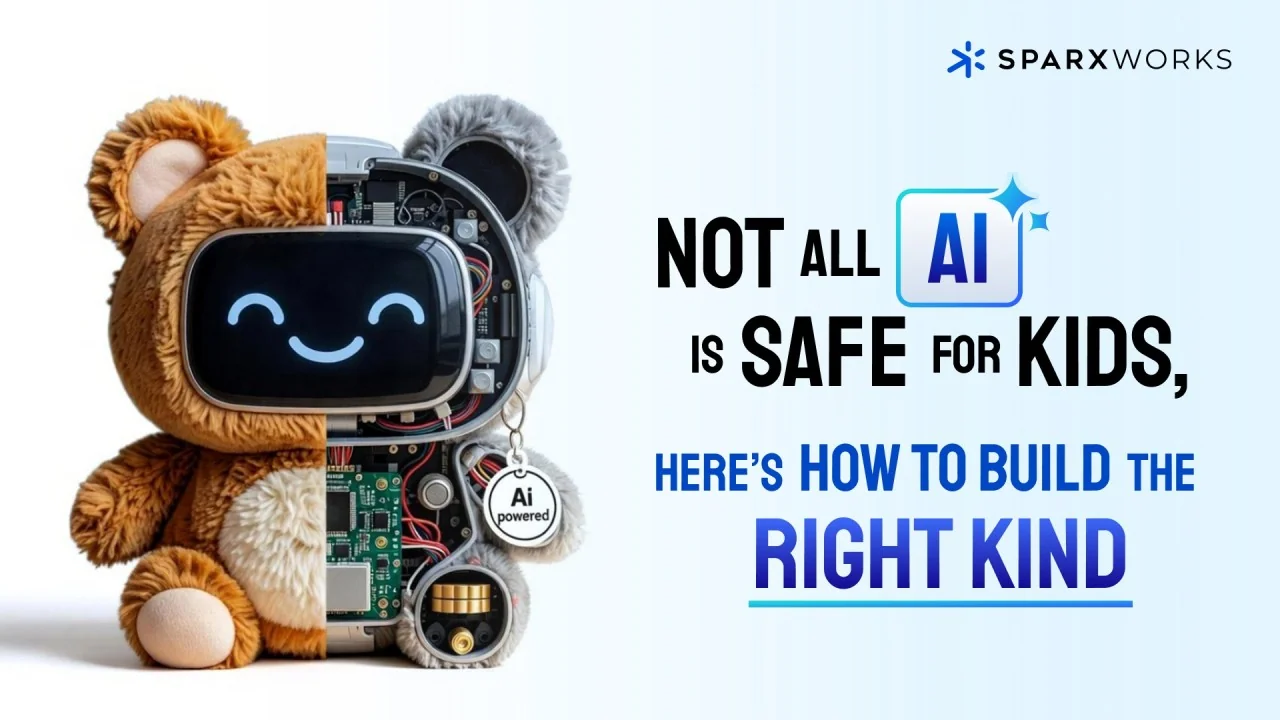
    A half-plush, half-robot AI-powered teddy bear highlights child safety concerns with AI, urging thoughtful development.

    With the explosion of AI as a creative force, branding, fashion, and retail are undergoing a transformation unlike anything we’ve seen before. Every major brand is adapting to the new reality where Consumer Engagement + Immersive Technologies & Products = The Retail Transformation. AI doesn’t just enhance campaigns—it enables brands to evolve dynamically, predicting trends, adjusting messaging in real-time, and redefining customer experiences.

    But as AI rewrites the rules of branding, it raises new questions:

    • When does agility compromise authenticity?
    • Does AI-enhanced branding make brands more human—or less?
    • How do companies balance speed with strategy, so they’re not just reacting, but leading?

    The most successful brands aren’t just keeping up—they’re leveraging AI to personalize, predict, and adapt before consumers even realize what they want. The intersection of AI, branding, and consumer experience is one of the most profound shifts we’re seeing in marketing today. It’s about trust, innovation, and redefining what it means to build a brand in the digital age.

    This is exactly what we’ll be unpacking at Digital Hollywood’s panel, “Digital Design, Branding, Fashion & Retail: The Innovation Experience.” I’ll be moderating a discussion with some incredible experts, including Silke Meixner (ZS Associates), METAMORPHIX . Christian Pierre (GUT), and Anna Cavazos (TheFinds.ai), exploring how AI is shaping the future of branding, storytelling, and customer engagement—from multi-faceted ad campaigns to immersive in-store and online experiences.

    The question isn’t whether AI is changing branding—it’s whether brands can adapt fast enough. But is AI making branding more powerful, or is it stripping away the human touch? Join us for a conversation with leaders who are guiding their companies and clients through these very questions.

  • The Phygital Revolution: How Omnichannel is Reshaping Consumer Engagement

    The Phygital Revolution: How Omnichannel is Reshaping Consumer Engagement

    I still remember walking into a flagship store, scanning a QR code on a product, and instantly seeing a 3D augmented reality (AR) model pop up on my phone. A sales associate equipped with a tablet had access to my online browsing history and made personalized recommendations on the spot. That was the moment I realized—consumer engagement isn’t just about digital or physical touchpoints; it’s about seamlessly blending them into one cohesive experience.

    The Shift to Experiential Commerce

    E-commerce used to be all about convenience—click, buy, ship. But the game has changed. Consumers no longer just want a transaction; they want an experience. This is where experiential commerce comes in, blending digital and physical interactions to create deeper engagement, stronger brand loyalty, and a more immersive shopping journey.

    Consider virtual fitting rooms that let customers try on clothes from their living rooms, interactive product demos where users can see how a gadget works in real-time, or AR-powered “try-before-you-buy” experiences that let you visualize furniture in your home before making a purchase. These tools do more than just drive conversions—they build trust and reduce purchase hesitation by giving consumers hands-on engagement with products, even when shopping online.

    At the same time, in-store shopping is evolving, too. Physical retail spaces are no longer just places to buy products; they’re experience hubs. Brands are creating interactive showrooms, pop-up experiences, and hybrid spaces where customers can scan, customize, and even co-create their purchases in real time. Nike, Sephora, and IKEA are prime examples of brands that have successfully blurred the lines between physical and digital commerce, proving that the future is not just online—it’s phygital.

    “Phygital” is a portmanteau of “physical” and “digital”, describing the merging of the real and virtual worlds to create unique and enhanced experiences.

    Brand Consistency in a Phygital World

    With consumers constantly moving between online and offline channels, maintaining a consistent brand experience is critical. A customer may first encounter your product through a social media ad, research it on your website, check reviews on a third-party platform, visit your store to see it in person, and finally make a purchase through a mobile app. Every touchpoint must tell the same story.

    When brands fail to synchronize these experiences, consumers notice. Imagine seeing one price online but another in-store. Or getting a personalized recommendation via email, only to have a sales associate who knows nothing about your preferences. These disconnects erode trust and create friction.

    Successful brands align messaging, design, and technology across all channels, ensuring that no matter where a customer interacts, the brand feels familiar, responsive, and cohesive. This means:

    • Consistent storytelling—Your brand voice, visuals, and messaging should flow seamlessly across platforms.
    • Unified data strategies—Personalization should be smart, pulling from real-time insights on customer preferences.
    • Technology integration—Omnichannel strategies require systems that talk to each other, from CRM to inventory management to AI-driven personalization.

    The brands winning in this space don’t just sell products—they craft experiences that adapt to where the consumer is in their journey. And in today’s competitive landscape, that can be the difference between being remembered—or being replaced.

    I’ll be diving deeper into these trends at the Digital Hollywood Brand Experience & Design Immersion event on April 22nd & 23rd, alongside industry leaders Silke Meixner, Anna Cavazos, and @Metamorphix. If, like me, you’re fascinated by the future of omnichannel engagement, let’s connect at the event!
  • AR and VR Can Provide New Revenue Streams in 2023

    AR and VR Can Provide New Revenue Streams in 2023

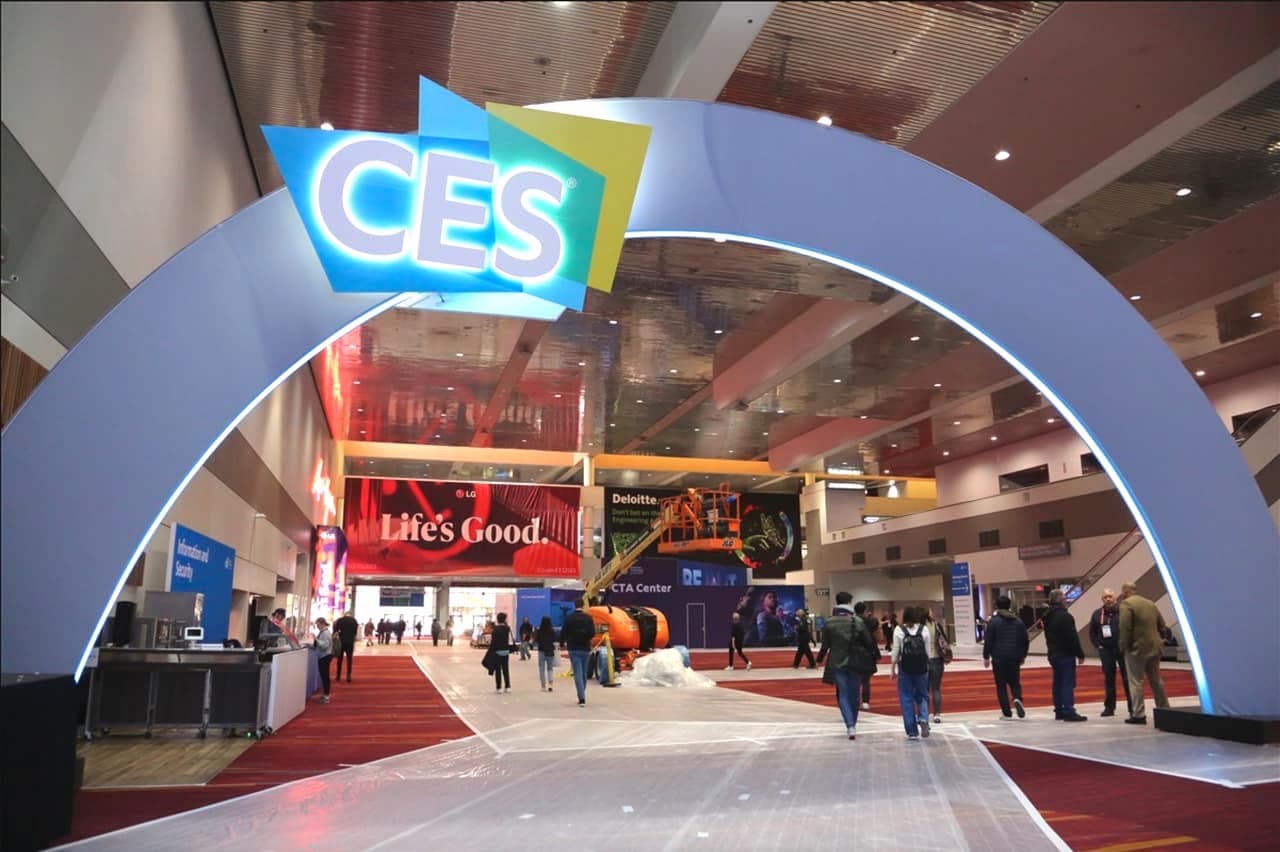
    CES 2023 came to a close, and what a show it was. After years of remote presentations, we finally converged in Las Vegas; media companies, major manufacturers, agencies, services, developers, and the press came together again with renewed energy to resume full speed ahead “post-pandemic” business. Networking was in the air, and slowly but surely, we all got caught up and started looking into 2023-24 and the exciting opportunities ahead.

    After years of experimentation and hype, we can finally say that augmented reality and virtual worlds are now viable and within reach of consumers. The continued growth of 5G, the availability of edge computing, and the rapid adoption of W3 technologies have set the stage to incorporate digital media in all forms into the actual world, including persistence, and thanks to NFTs, we can make a digital “item” unique.

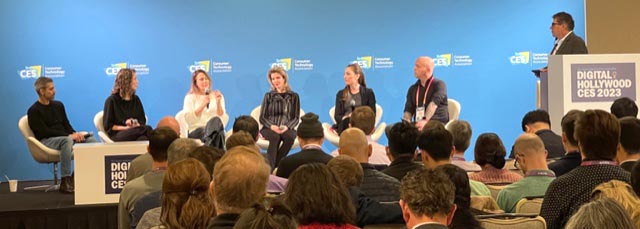
    CES 2023 Session AR and VR

    It was great to hear Eric Shamlin (Media Monks) and Emily Wengert (Huge) talk about the creative process and their approach to XR and the Metaverse. Rahul Sabnis shares news about iHeart Media events for 2023, which will include augmented reality offerings and more. We all look forward to these events with great anticipation. Silke Meixner (ZS Associates) shared key insights to help develop a sound digital transformation strategy than can facilitate and leverage W3 technologies moving forward. Ashley Crowder (Vntana) is working on solving 3D challenges, which will positively impact the business adoption of AR/VR and all virtual spaces, Metaverse, and games. Jenna Seiden (Niantic) shared exciting news for developers worldwide by announcing new tools and features to deploy AR experiences via browser. From us at SparxWorks, the news is that our platform now supports browser-based augmented reality and the use of QR codes in addition to our app-based capabilities. Our platform allows you to combine images, video, 360-degree images, 3D, audio, and text with AR image recognition, plane recognition, and more.

    At SparxWorks, we specialize in helping businesses reach and connect with their consumers at their point of need. Our customer-centric approach allows us to cultivate and extend your market share through the web, mobile, augmented reality, and, eventually, a persistent metaverse. To learn more come visit our website.