Tag: Thefinds.ai

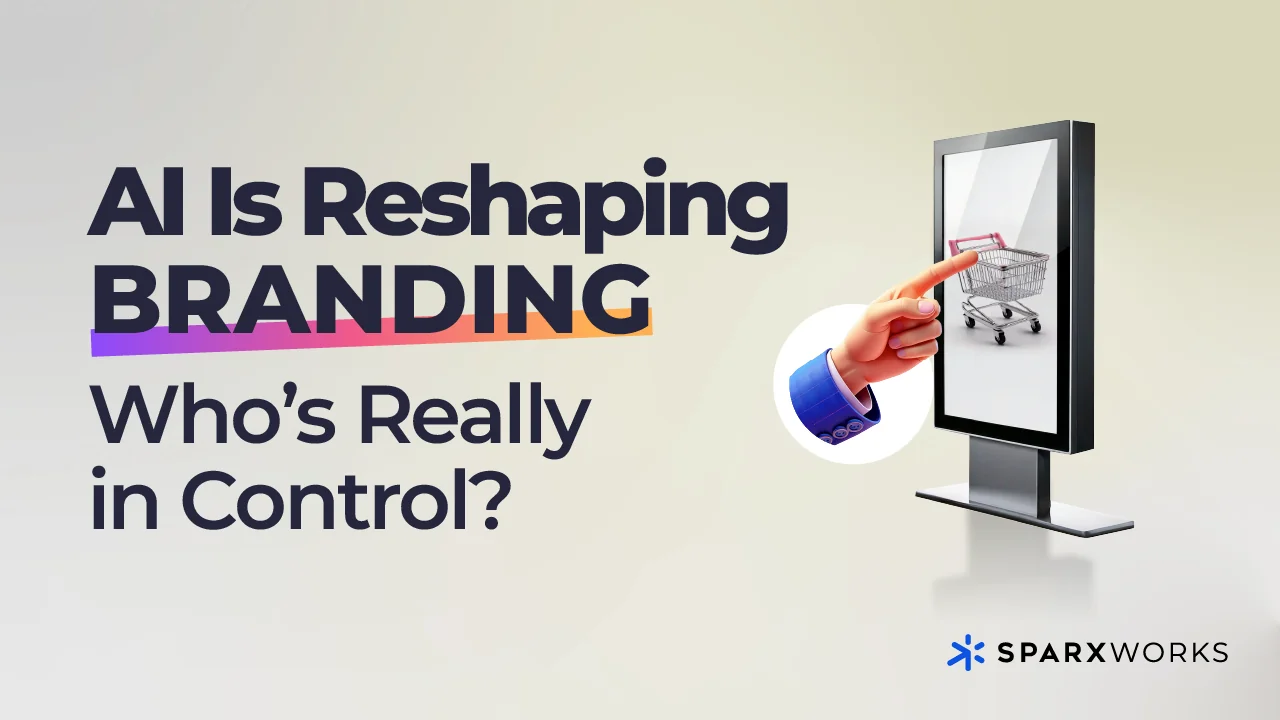
  • AI Is Reshaping Branding—Who’s Really in Control?

    AI Is Reshaping Branding—Who’s Really in Control?

    There was a time when branding meant control—meticulously. crafted campaigns, months in the making, designed to be consumed exactly as intended. But those days are over.

    Today, branding is no longer a monologue. It’s a real-time conversation, shaped as much by consumers as it is by companies.

    Abstract blue graphic with crystal-like spheres highlights GEO technology’s importance for future-proofing websites.
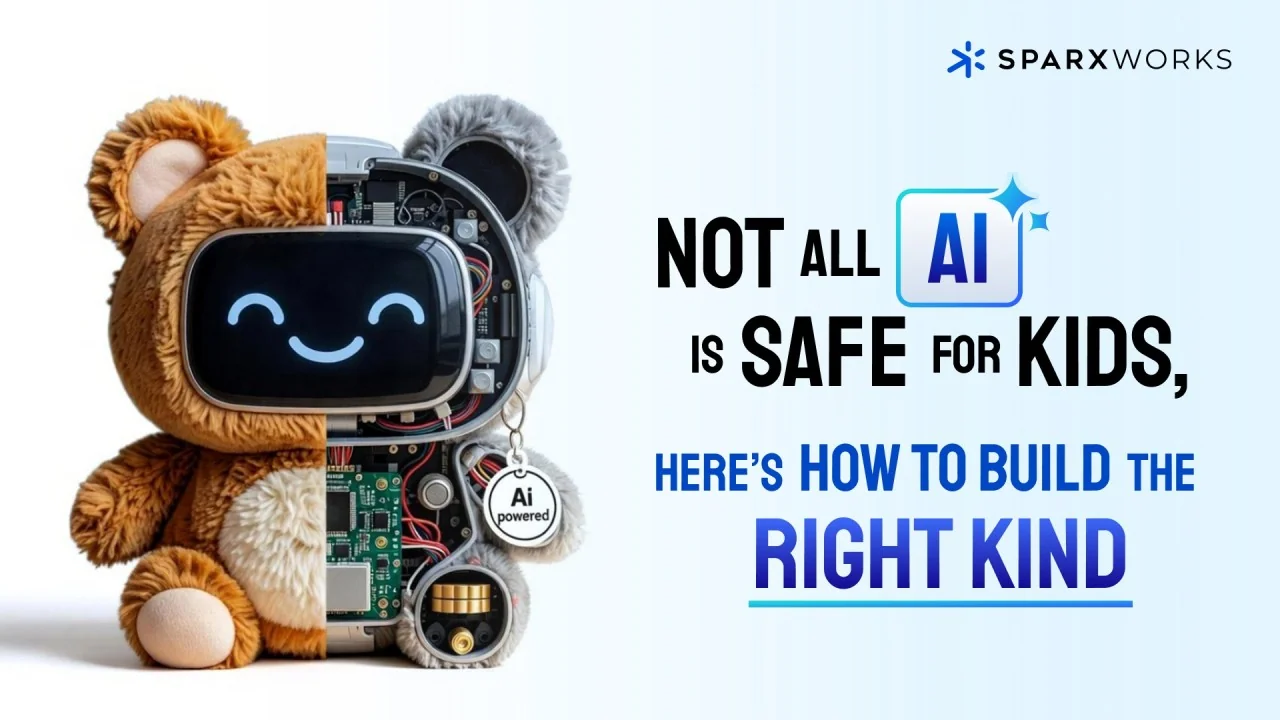
    A half-plush, half-robot AI-powered teddy bear highlights child safety concerns with AI, urging thoughtful development.

    With the explosion of AI as a creative force, branding, fashion, and retail are undergoing a transformation unlike anything we’ve seen before. Every major brand is adapting to the new reality where Consumer Engagement + Immersive Technologies & Products = The Retail Transformation. AI doesn’t just enhance campaigns—it enables brands to evolve dynamically, predicting trends, adjusting messaging in real-time, and redefining customer experiences.

    But as AI rewrites the rules of branding, it raises new questions:

    • When does agility compromise authenticity?
    • Does AI-enhanced branding make brands more human—or less?
    • How do companies balance speed with strategy, so they’re not just reacting, but leading?

    The most successful brands aren’t just keeping up—they’re leveraging AI to personalize, predict, and adapt before consumers even realize what they want. The intersection of AI, branding, and consumer experience is one of the most profound shifts we’re seeing in marketing today. It’s about trust, innovation, and redefining what it means to build a brand in the digital age.

    This is exactly what we’ll be unpacking at Digital Hollywood’s panel, “Digital Design, Branding, Fashion & Retail: The Innovation Experience.” I’ll be moderating a discussion with some incredible experts, including Silke Meixner (ZS Associates), METAMORPHIX . Christian Pierre (GUT), and Anna Cavazos (TheFinds.ai), exploring how AI is shaping the future of branding, storytelling, and customer engagement—from multi-faceted ad campaigns to immersive in-store and online experiences.

    The question isn’t whether AI is changing branding—it’s whether brands can adapt fast enough. But is AI making branding more powerful, or is it stripping away the human touch? Join us for a conversation with leaders who are guiding their companies and clients through these very questions.
  • The Phygital Revolution: How Omnichannel is Reshaping Consumer Engagement

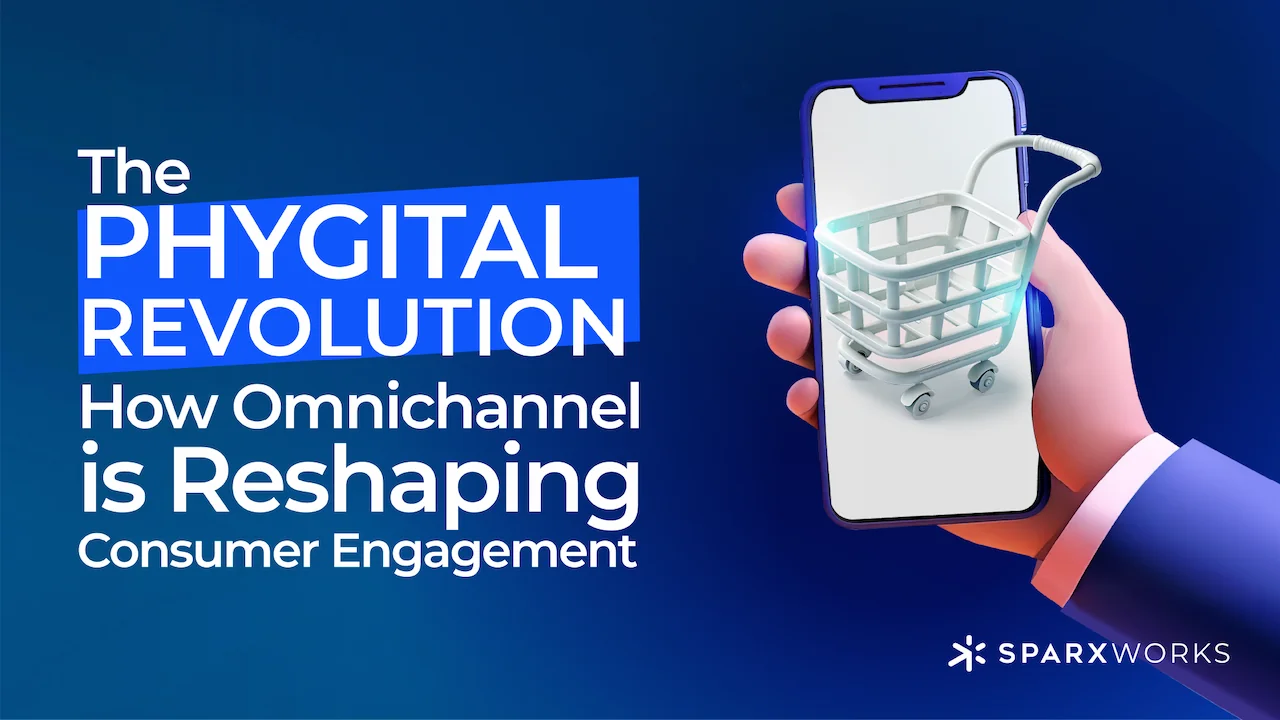
    The Phygital Revolution: How Omnichannel is Reshaping Consumer Engagement

    I still remember walking into a flagship store, scanning a QR code on a product, and instantly seeing a 3D augmented reality (AR) model pop up on my phone. A sales associate equipped with a tablet had access to my online browsing history and made personalized recommendations on the spot. That was the moment I realized—consumer engagement isn’t just about digital or physical touchpoints; it’s about seamlessly blending them into one cohesive experience.

    The Shift to Experiential Commerce

    E-commerce used to be all about convenience—click, buy, ship. But the game has changed. Consumers no longer just want a transaction; they want an experience. This is where experiential commerce comes in, blending digital and physical interactions to create deeper engagement, stronger brand loyalty, and a more immersive shopping journey.

    Consider virtual fitting rooms that let customers try on clothes from their living rooms, interactive product demos where users can see how a gadget works in real-time, or AR-powered “try-before-you-buy” experiences that let you visualize furniture in your home before making a purchase. These tools do more than just drive conversions—they build trust and reduce purchase hesitation by giving consumers hands-on engagement with products, even when shopping online.

    At the same time, in-store shopping is evolving, too. Physical retail spaces are no longer just places to buy products; they’re experience hubs. Brands are creating interactive showrooms, pop-up experiences, and hybrid spaces where customers can scan, customize, and even co-create their purchases in real time. Nike, Sephora, and IKEA are prime examples of brands that have successfully blurred the lines between physical and digital commerce, proving that the future is not just online—it’s phygital.

    “Phygital” is a portmanteau of “physical” and “digital”, describing the merging of the real and virtual worlds to create unique and enhanced experiences.

    Brand Consistency in a Phygital World

    With consumers constantly moving between online and offline channels, maintaining a consistent brand experience is critical. A customer may first encounter your product through a social media ad, research it on your website, check reviews on a third-party platform, visit your store to see it in person, and finally make a purchase through a mobile app. Every touchpoint must tell the same story.

    When brands fail to synchronize these experiences, consumers notice. Imagine seeing one price online but another in-store. Or getting a personalized recommendation via email, only to have a sales associate who knows nothing about your preferences. These disconnects erode trust and create friction.

    Successful brands align messaging, design, and technology across all channels, ensuring that no matter where a customer interacts, the brand feels familiar, responsive, and cohesive. This means:

    • Consistent storytelling—Your brand voice, visuals, and messaging should flow seamlessly across platforms.
    • Unified data strategies—Personalization should be smart, pulling from real-time insights on customer preferences.
    • Technology integration—Omnichannel strategies require systems that talk to each other, from CRM to inventory management to AI-driven personalization.

    The brands winning in this space don’t just sell products—they craft experiences that adapt to where the consumer is in their journey. And in today’s competitive landscape, that can be the difference between being remembered—or being replaced.

    I’ll be diving deeper into these trends at the Digital Hollywood Brand Experience & Design Immersion event on April 22nd & 23rd, alongside industry leaders Silke Meixner, Anna Cavazos, and @Metamorphix. If, like me, you’re fascinated by the future of omnichannel engagement, let’s connect at the event!