Blog

  • Every Digital Interaction Is A Brand Interaction

    Every Digital Interaction Is A Brand Interaction

    A couple of years ago, I sat in on a cross-functional strategy session for a global brand. Marketing had just unveiled a campaign celebrating the company’s values: human-centric, transparent, and responsive. Meanwhile, IT was preparing to roll out a new chatbot experience—one that would route customers through 12 steps before they could talk to a real person.

    The disconnect was glaring.

    In many large organizations, the brand still lives in a slide deck. Strategy is crafted by one team. Execution is handled by another. And digital? That’s someone else entirely.

    But here’s the reality: Every digital interaction is a brand interaction. From an AR-powered retail experience to the way a service ticket is closed, every touchpoint communicates who you are. Brand is no longer a department—it’s a system.

    This is why modern enterprises are beginning to restructure, aligning creative strategy with operational and technical execution. Not by forming new committees, but by embedding brand logic into product design, customer experience, and even backend infrastructure. The leading edge of this shift? Integrated methodologies like our 5D approach at SparxWorks—where brand clarity is part of every phase, from Discovery to Deployment.

    True alignment happens when the brand isn’t just seen—it’s felt, at every level of interaction.

    Because in a world of fragmented attention and limitless choice, how you show up matters as much as what you say.

  • AI Is Reshaping Branding—Who’s Really in Control?

    AI Is Reshaping Branding—Who’s Really in Control?

    There was a time when branding meant control—meticulously. crafted campaigns, months in the making, designed to be consumed exactly as intended. But those days are over.

    Today, branding is no longer a monologue. It’s a real-time conversation, shaped as much by consumers as it is by companies.

    Abstract blue graphic with crystal-like spheres highlights GEO technology’s importance for future-proofing websites.
    A half-plush, half-robot AI-powered teddy bear highlights child safety concerns with AI, urging thoughtful development.

    With the explosion of AI as a creative force, branding, fashion, and retail are undergoing a transformation unlike anything we’ve seen before. Every major brand is adapting to the new reality where Consumer Engagement + Immersive Technologies & Products = The Retail Transformation. AI doesn’t just enhance campaigns—it enables brands to evolve dynamically, predicting trends, adjusting messaging in real-time, and redefining customer experiences.

    But as AI rewrites the rules of branding, it raises new questions:

    • When does agility compromise authenticity?
    • Does AI-enhanced branding make brands more human—or less?
    • How do companies balance speed with strategy, so they’re not just reacting, but leading?

    The most successful brands aren’t just keeping up—they’re leveraging AI to personalize, predict, and adapt before consumers even realize what they want. The intersection of AI, branding, and consumer experience is one of the most profound shifts we’re seeing in marketing today. It’s about trust, innovation, and redefining what it means to build a brand in the digital age.

    This is exactly what we’ll be unpacking at Digital Hollywood’s panel, “Digital Design, Branding, Fashion & Retail: The Innovation Experience.” I’ll be moderating a discussion with some incredible experts, including Silke Meixner (ZS Associates), METAMORPHIX . Christian Pierre (GUT), and Anna Cavazos (TheFinds.ai), exploring how AI is shaping the future of branding, storytelling, and customer engagement—from multi-faceted ad campaigns to immersive in-store and online experiences.

    The question isn’t whether AI is changing branding—it’s whether brands can adapt fast enough. But is AI making branding more powerful, or is it stripping away the human touch? Join us for a conversation with leaders who are guiding their companies and clients through these very questions.

  • The Phygital Revolution: How Omnichannel is Reshaping Consumer Engagement

    The Phygital Revolution: How Omnichannel is Reshaping Consumer Engagement

    I still remember walking into a flagship store, scanning a QR code on a product, and instantly seeing a 3D augmented reality (AR) model pop up on my phone. A sales associate equipped with a tablet had access to my online browsing history and made personalized recommendations on the spot. That was the moment I realized—consumer engagement isn’t just about digital or physical touchpoints; it’s about seamlessly blending them into one cohesive experience.

    The Shift to Experiential Commerce

    E-commerce used to be all about convenience—click, buy, ship. But the game has changed. Consumers no longer just want a transaction; they want an experience. This is where experiential commerce comes in, blending digital and physical interactions to create deeper engagement, stronger brand loyalty, and a more immersive shopping journey.

    Consider virtual fitting rooms that let customers try on clothes from their living rooms, interactive product demos where users can see how a gadget works in real-time, or AR-powered “try-before-you-buy” experiences that let you visualize furniture in your home before making a purchase. These tools do more than just drive conversions—they build trust and reduce purchase hesitation by giving consumers hands-on engagement with products, even when shopping online.

    At the same time, in-store shopping is evolving, too. Physical retail spaces are no longer just places to buy products; they’re experience hubs. Brands are creating interactive showrooms, pop-up experiences, and hybrid spaces where customers can scan, customize, and even co-create their purchases in real time. Nike, Sephora, and IKEA are prime examples of brands that have successfully blurred the lines between physical and digital commerce, proving that the future is not just online—it’s phygital.

    “Phygital” is a portmanteau of “physical” and “digital”, describing the merging of the real and virtual worlds to create unique and enhanced experiences.

    Brand Consistency in a Phygital World

    With consumers constantly moving between online and offline channels, maintaining a consistent brand experience is critical. A customer may first encounter your product through a social media ad, research it on your website, check reviews on a third-party platform, visit your store to see it in person, and finally make a purchase through a mobile app. Every touchpoint must tell the same story.

    When brands fail to synchronize these experiences, consumers notice. Imagine seeing one price online but another in-store. Or getting a personalized recommendation via email, only to have a sales associate who knows nothing about your preferences. These disconnects erode trust and create friction.

    Successful brands align messaging, design, and technology across all channels, ensuring that no matter where a customer interacts, the brand feels familiar, responsive, and cohesive. This means:

    • Consistent storytelling—Your brand voice, visuals, and messaging should flow seamlessly across platforms.
    • Unified data strategies—Personalization should be smart, pulling from real-time insights on customer preferences.
    • Technology integration—Omnichannel strategies require systems that talk to each other, from CRM to inventory management to AI-driven personalization.

    The brands winning in this space don’t just sell products—they craft experiences that adapt to where the consumer is in their journey. And in today’s competitive landscape, that can be the difference between being remembered—or being replaced.

    I’ll be diving deeper into these trends at the Digital Hollywood Brand Experience & Design Immersion event on April 22nd & 23rd, alongside industry leaders Silke Meixner, Anna Cavazos, and @Metamorphix. If, like me, you’re fascinated by the future of omnichannel engagement, let’s connect at the event!


  • AI vs. Tariffs: Can Technology Outmaneuver Trade Wars?

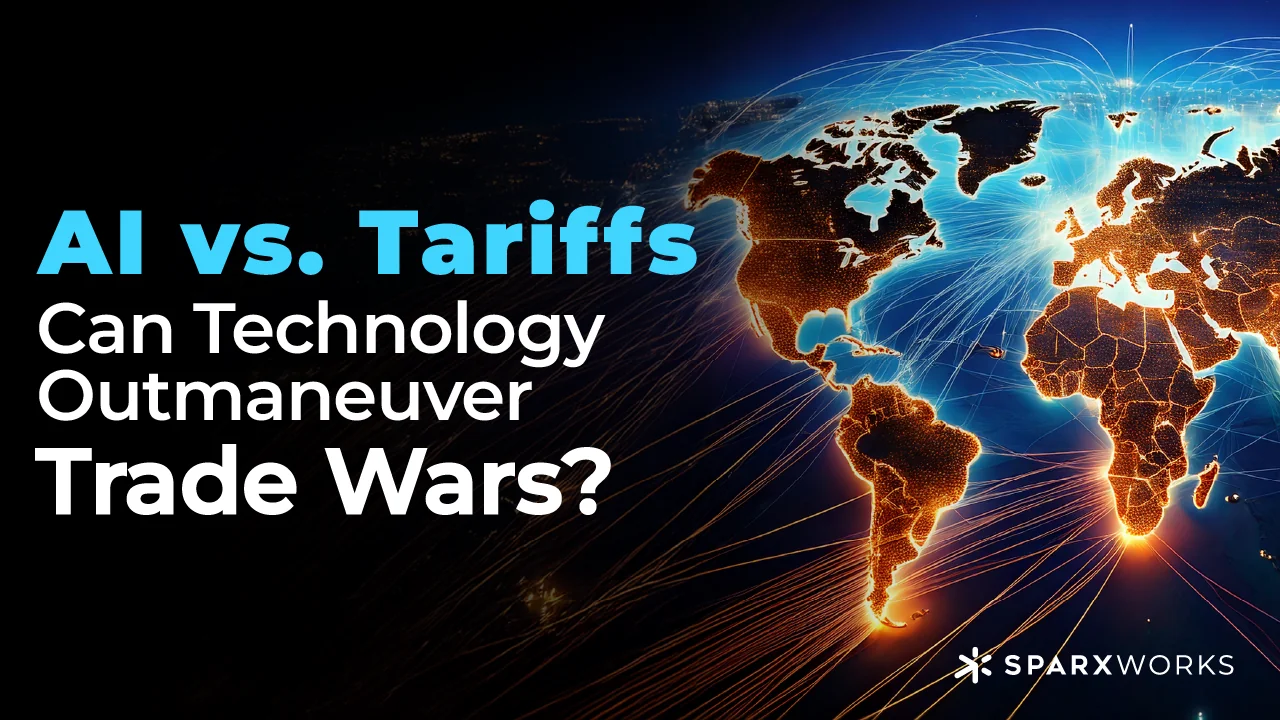
    AI vs. Tariffs: Can Technology Outmaneuver Trade Wars?

    Politics has always played a role in business—mostly influencing investors and big decisions—but today, the impact cuts much deeper. It’s creating stress on the workforce in ways we haven’t seen before and leaving millions of SMBs wondering what their next move should be.

    The latest challenge? Tariffs. SMBs don’t have the power to influence policymakers, so the next best thing is to focus our energy where it counts. That got me thinking—can AI help mitigate the impact of tariffs?

    I spent some time researching the latest trade policies—like the 25% duties on Canadian and Mexican imports and additional levies on Chinese goods—and it’s clear that businesses are bracing for increased costs and operational uncertainty. But then I stopped and asked: What if AI could help turn these challenges into strategic advantages?

    Here are five ideas where I think AI can help companies stay ahead of shifting trade policies:

    1. Optimizing Supply Chains

    • Smart Sourcing: AI-powered analytics scan global supplier networks to identify alternative markets with lower or no tariffs, ensuring businesses can pivot quickly.
    • Logistics Optimization: Machine learning models predict lead times, suggest cost-effective routes, and minimize freight expenses to mitigate tariff-driven cost increases.

    2. Dynamic Pricing & Cost Management

    • Real-Time Pricing: AI tools track raw material costs, currency fluctuations, and tariff changes to adjust pricing dynamically, helping businesses protect their margins.
    • Predictive Demand Forecasting: AI-driven models analyze trade trends and economic indicators to optimize inventory and production planning and prevent costly overstocking.

    3. Risk Analysis & Scenario Planning

    • Automated Risk Monitoring: AI processes vast amounts of global trade data, economic signals, and policy updates to detect potential tariff risks in advance.
    • “What-If” Simulations: AI-driven models can assess the financial and operational impacts of different tariff scenarios, helping businesses plan proactively rather than reactively.

    4. Regulatory Compliance & Paperwork Automation

    • AI-Powered Regulatory Intelligence: Machine learning tools can simplify complex trade regulations, ensuring companies stay compliant while reducing manual efforts.
    • Automated Documentation: AI streamlines customs paperwork, updating forms and filings dynamically as trade policies evolve.

    5. Negotiation & Contract Strategies

    • Data-Driven Contracts: AI-driven insights empower businesses in supplier negotiations, supporting decisions like shorter contracts or flexible clauses tied to tariff fluctuations.
    • Cost-Share Models: AI helps businesses identify opportunities to distribute tariff-related costs across supply chain stakeholders, easing the financial burden.

    The Big Picture

    With market reactions to tariffs already impacting stock performance and economic forecasts, businesses must act now. AI is not just a tool for efficiency—it’s a strategic asset that helps organizations adapt, minimize costs, and maintain resilience in the face of unpredictable trade policies.

    Bottom Line 

    Tariffs introduce uncertainty, but AI provides clarity. Companies that leverage AI for supply chain agility, pricing intelligence, and risk mitigation will have the upper hand in an evolving trade landscape.

  • Behind the Algorithm: Confronting the Real Risks of Biased AI

    Behind the Algorithm: Confronting the Real Risks of Biased AI

    At SparxWorks, our passion for leveraging emerging technologies is matched by our commitment to ethical standards and unbiased AI solutions. Over the past decade, the rise of social media and mobile devices has brought incredible convenience and significant challenges. As we integrate AI into our personal and professional lives, our priority is ensuring that these powerful tools serve everyone fairly, without hidden agendas or skewed information.

    The risk of individuals or groups influencing AI outputs to align with their political or personal views is very real. That is why SparxWorks follows a strict, transparent framework to ensure our solutions minimize bias and provide accurate, trustworthy results.

    Below are five key practices we uphold at SparxWorks to select the right AI models and avoid biased services:

    1. Conduct Thorough Due Diligence

    Before we incorporate or recommend any AI service, our team at SparxWorks performs a comprehensive vetting process.

    • Founders & Leadership Research: We examine the backgrounds of the AI provider’s leadership, scrutinizing past affiliations, sources of funding, and public statements.
    • Client Feedback Analysis: We research real-world case studies and user reviews to gain a deeper understanding of each model’s performance and potential pitfalls.

    2. Demand Transparency in Data and Training Methods

    We know that an AI tool is only as good as the data it is built upon. At SparxWorks, we require complete transparency from our AI partners regarding their data sourcing, labeling, and quality checks.

    • Comprehensive Documentation: We recommend requesting that AI providers clearly outline how data is collected, cleaned, and used in model training to ensure transparency and accountability.
    • Third-Party Audits: Whenever possible, we suggest seeking AI providers that engage unbiased, third-party organizations to assess their data and models. This adds an extra layer of credibility.

    3. Evaluate the Model’s Decision-Making Process

    Understanding why a model makes certain recommendations is vital. At SparxWorks, we stress model explainability to detect and mitigate any hidden biases.

    • Explainable AI: We ask for clear explanations of how inputs lead to specific outputs or decisions.
    • Continuous Monitoring: We establish real-time dashboards that monitor the model’s performance, flag unusual results, and trigger reviews whenever anomalies occur.

    4. Implement Human Oversight

    Even the most advanced AI cannot replace the ethical judgment and contextual knowledge that human experts bring to the table.

    • Diverse Review Teams: We recommend forming multidisciplinary committees with varied perspectives to evaluate AI decisions, ensuring more inclusive and balanced outcomes.
    • Active Testing Scenarios: Regularly conducting test runs using real-world and hypothetical situations can help identify and address potential biases before they impact decision-making.

    5. Foster a Culture of Ethical AI Use

    Beyond technical best practices, we emphasize an organizational culture that respects privacy and fairness at every stage of AI development and deployment.

    • Company-Wide Standards: To ensure responsible AI deployment, we recommend establishing clear, documented policies that define the ethical use of AI, data handling, and accountability measures.
    • Training & Workshops: Regularly hosting internal training sessions can help keep teams informed about emerging risks and best practices in AI ethics, fostering a culture of responsible AI use.
    • Open Door Policy: We actively encourage our staff to voice concerns or report potential biases in our systems, ensuring a transparent and collaborative environment.

    Conclusion

    In a world where AI’s influence grows daily, sparing no effort to ensure fairness and transparency is crucial for businesses and individuals alike. At SparxWorks, we believe that thorough vetting, continuous monitoring, human oversight, and a strong ethical culture are non-negotiables when it comes to delivering unbiased AI solutions.

    As new AI innovators like DeepSeek and Gronk3 emerge, our guiding principles remain the same: analyze carefully, act responsibly, and always prioritize honesty and integrity. Through this unwavering commitment, we aim to harness AI’s transformative power and create a future where technology truly serves the greater good.

  • Trust and Confidence: The Cornerstones of AI Adoption in Business

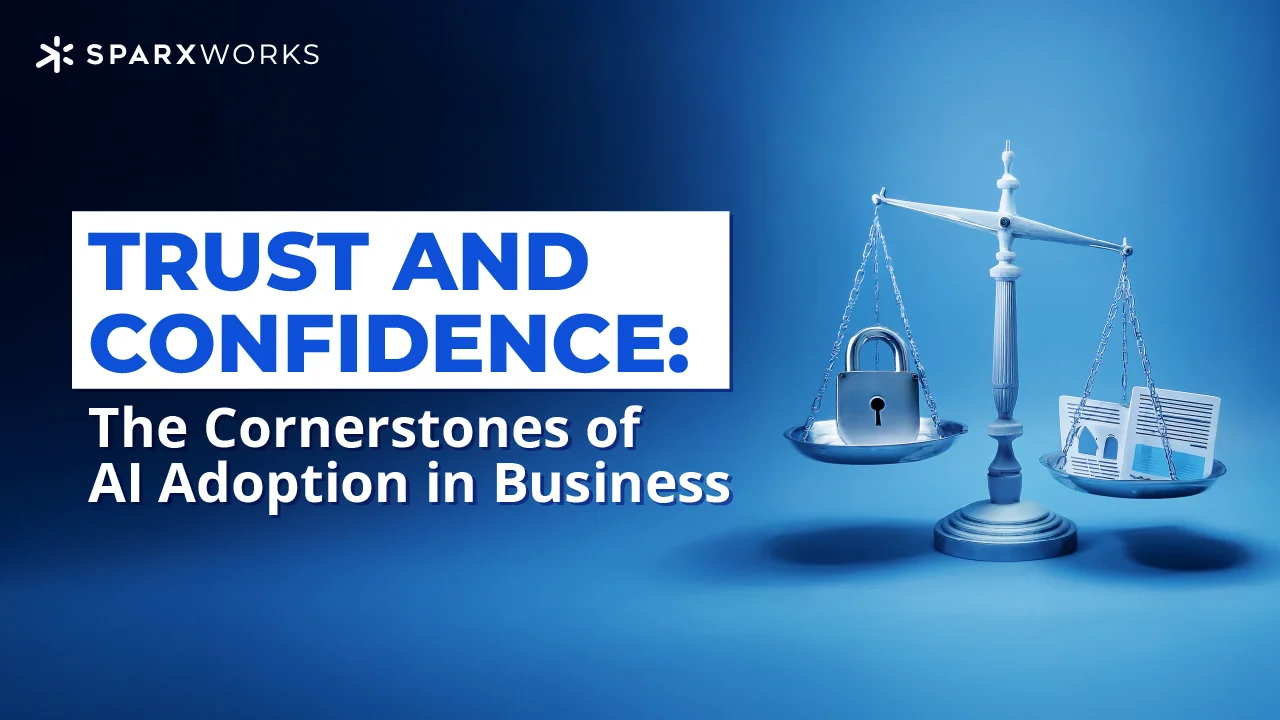
    Trust and Confidence: The Cornerstones of AI Adoption in Business

    The rapid expansion of AI solutions presents businesses with an incredible opportunity to enhance efficiency, decision-making, and customer engagement. However, as AI models become more powerful, businesses are rightly asking: Can we trust these platforms with our data? Confidence in data privacy isn’t just a nice-to-have—it’s essential for AI adoption at scale.

    Recent developments in AI, including the rise of models like DeepSeek and Gronk 3, offer exciting alternatives to OpenAI, Google, and Anthropic. But they also raise critical concerns: Who owns and controls these AI platforms? As AI becomes more integrated into business operations, the entity behind the technology—and their incentives—matters more than ever.

    Use case: The Risks of Data Exploitation: Lessons from Mobile Gaming

    To understand the potential risks of AI adoption, we only need to look at another digital revolution: mobile gaming. Many free-to-play games have evolved from simple entertainment into data-harvesting machines. Instead of just monetizing through ads or in-game purchases, some of these apps now track users across the internet, collecting behavioral data to sell to third parties.

    Even more concerning is how these companies circumvent regulations. A common tactic involves shifting app ownership to countries with weaker enforcement, like Cyprus, making it harder for regulators to hold them accountable. These business models prioritize surveillance over user experience, leading to justified concerns about privacy violations.

    The AI industry faces a similar challenge. If businesses entrust their customer data, intellectual property, or proprietary insights to an AI model, they need absolute confidence that it won’t be harvested, sold, or exploited—especially by entities operating under unclear jurisdictional oversight.

    Why AI Ownership Matters More Than Ever!

    AI platforms are not just tools; they are gateways to business intelligence. When evaluating AI models, companies must consider:

    1. Who owns the platform? A company’s data policies, legal jurisdiction, and governance structure determine how your information is handled. AI providers with opaque ownership or foreign control could pose compliance risks, particularly under data protection laws like GDPR and CCPA.
    1. What is their business model? Is the AI platform funded by advertising, data sales, or surveillance-driven monetization? If a product is “free” or significantly cheaper, businesses must ask: What’s the real cost?
    1. Can you trust their commitments to privacy? Public AI companies like OpenAI, Google, and Anthropic, while not perfect, have reputations to maintain and clear regulatory accountability. Comparatively, lesser-known or newer AI providers may have fewer safeguards or be more susceptible to outside influence.

    The Safer Bet for Businesses: Established AI Players

    While competition in AI is valuable, businesses can’t afford to take risks with their sensitive data. This is why platforms from OpenAI, Google, and Anthropic—despite their flaws—remain a safer bet than many emerging alternatives or Meta’s AI offerings.

    • These companies operate under strict scrutiny from regulators, investors, and enterprise customers, reducing the risk of unexpected policy shifts.
    • Their business models are less reliant on aggressive data monetization, unlike companies with ad-driven revenue models.
    • They provide clearer compliance and security measures that align with corporate data governance standards.

    For businesses looking to adopt AI without compromising privacy, compliance, and control, trusting the right AI partner isn’t just important—it’s non-negotiable.

    The AI revolution is here, but not all AI platforms are created equal. Businesses must prioritize trust and confidence in data privacy over the allure of new, untested models. Without these assurances, AI adoption could pose more risks than rewards.

    Before integrating an AI solution, ask the hard questions: Who controls it? Where is your data going? What’s the business model? In a world where data is more valuable than ever, ensuring its protection isn’t just a best practice—it’s a competitive advantage.

  • 10 Ways AI Can Revive Retail Sales in 2025

    10 Ways AI Can Revive Retail Sales in 2025

    Retail just took a big hit to start the year—sales dropped 0.9% in January, way worse than the 0.2% decline economists expected. Blame it on the usual post-holiday slump, inflation worries, or that brutal winter freeze—it’s a tough start for retailers. If this trend keeps up, we could be looking at an even slower Q1 for the economy. But here’s the thing: AI isn’t just a buzzword anymore—it’s a game-changer. The right AI-driven strategies can help retailers bounce back by optimizing operations, personalizing shopping experiences, and boosting sales. Let’s dive into 10 AI-powered solutions that can help retailers turn things around fast.

    1. Personalized Customer Experiences

    AI analyzes purchase history, preferences, and real-time behavior to offer tailored recommendations. Retailers using AI-driven personalization have seen 10-30% increases in revenue.

    2. AI-Powered Dynamic Pricing

    Smart pricing algorithms adjust product prices based on demand, competitor activity, and even weather patterns. This helps retailers remain competitive while protecting profit margins.

    3. Predictive Inventory Management

    By analyzing historical sales data and market trends, AI can forecast demand more accurately, reducing overstock and out-of-stock issues.

    4. AI Chatbots for 24/7 Customer Engagement

    Retailers using AI chatbots can handle up to 80% of customer inquiries without human intervention, improving response time and customer satisfaction.

    5. Enhanced Visual Search & Virtual Try-Ons

    AI-powered image recognition allows shoppers to search for products by uploading photos. Virtual try-on technology (for apparel, accessories, and cosmetics) boosts conversion rates by 2-3x.

    6. AI-Optimized Supply Chains

    By identifying potential disruptions and alternative solutions, AI-driven logistics improve delivery efficiency and reduce costs.

    7. Fraud Prevention & Secure Transactions

    AI detects anomalies in purchasing behavior, preventing fraud in real time, securing transactions, and increasing consumer trust.

    8. Sentiment Analysis for Market Trends

    AI scans social media, reviews, and feedback to detect emerging trends and customer sentiment, helping retailers make smarter product decisions.

    9. Smart Store Layout Optimization

    AI-driven insights on foot traffic patterns can help retailers adjust store layouts, improving product placement and boosting sales.

    10. AI-Powered Ad Targeting

    AI refines ad strategies by identifying high-intent shoppers and delivering hyper-personalized ads, increasing ROI on digital marketing efforts.

    The Key to Retailers facing declining sales must embrace AI as a strategic partner in their revival. From optimizing supply chains to creating more personalized customer experiences, AI can reignite retail sales growth in 2025 and beyond.

  • DeepSeek: A Promising Contender, but Not Business-Ready Yet?

    DeepSeek: A Promising Contender, but Not Business-Ready Yet?

    The excitement around DeepSeek is undeniable. Competitive pricing, open-source flexibility, and impressive early results make it a compelling alternative in the AI landscape. But before businesses rush to integrate it, critical questions remain.

    Security & Data Sensitivity

    Open-source means flexibility—you can deploy it on your own servers. But what data is shared, how it’s processed, and whether it’s truly secure are questions that still need thorough vetting. Unlike enterprise-ready solutions, DeepSeek’s security framework requires deep scrutiny before handling sensitive business data.

    Performance & Latency

    How fast can DeepSeek generate responses at scale? How well does it handle complex, multi-turn queries? Speed and accuracy are crucial in enterprise environments, but these factors are still largely untested in real-world business applications.

    Ecosystem & Integration

    DeepSeek exists alongside OpenAI, Copilot, and other enterprise AI solutions. But how well does it integrate? Will it work as a standalone LLM, or does it need custom pipelines and fine-tuning for optimal results? The AI stack is evolving fast, and businesses must assess whether DeepSeek can be a strategic addition—or just another experimental tool.

    Bottom Line

    DeepSeek’s potential is undeniable. But for businesses, it’s not just about cost or open-source access—it’s about trust, security, performance, and interoperability. More research and real-world validation are needed before it can be considered a viable alternative for production environments.

    What are your thoughts? Are you exploring DeepSeek, or do you see other emerging LLMs with greater business potential?

  • Part 2 – Taking Your GPT to the Next Level: Capabilities and Actions to Boost Customer Retention

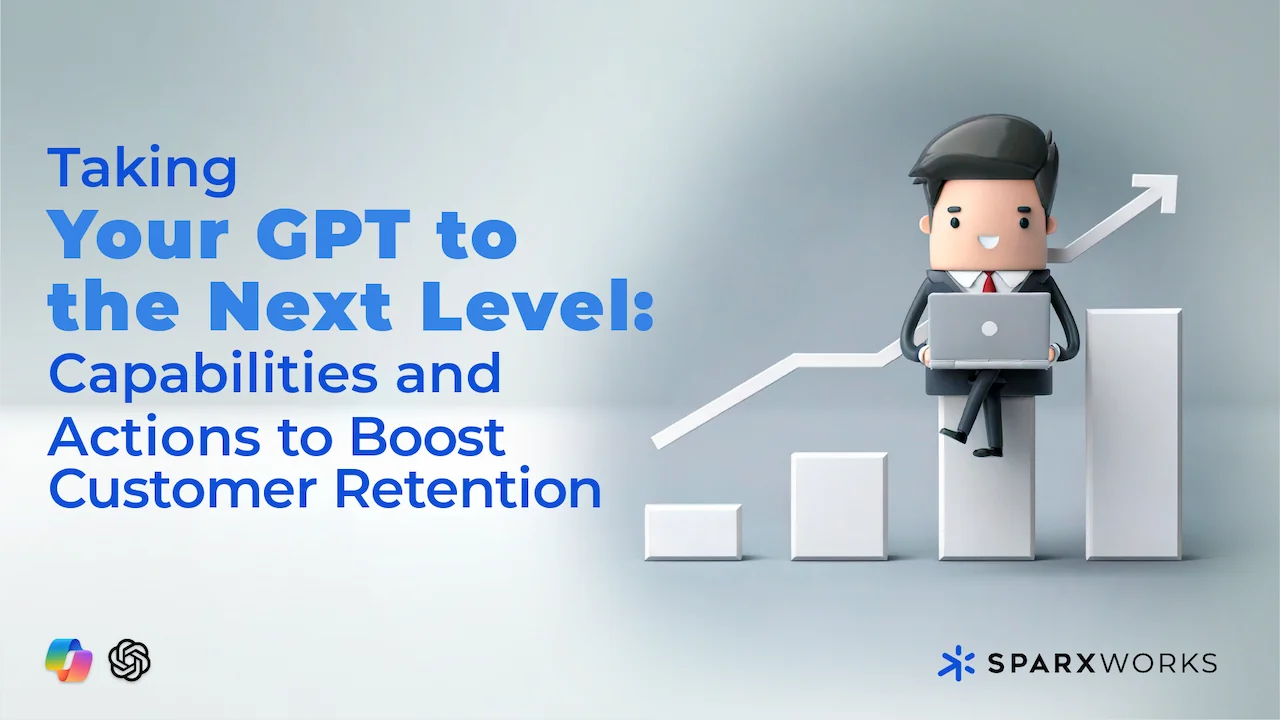
    Part 2 – Taking Your GPT to the Next Level: Capabilities and Actions to Boost Customer Retention

    In my last article, “Easy step by step instructions to build your own AI chatbot to increase customer retention” we explored how to set up a GPT for creating polished, on-brand customer materials. Now, let’s take it a step further by leveraging the “Capabilities” and “Actions” features in the GPT builder interface to amplify customer retention strategies.

    These features are designed to enhance your GPT’s functionality, enabling it to perform tasks, analyze data, and respond in ways that directly impact customer engagement and satisfaction. Using the same customer retention use case from my January 16 post, “AI Made Easy: Your First Steps to Building a GPT for Work or Innovation” we’ll explore how these tools can take your AI assistant from useful to indispensable.

    Step 1: Understanding the “Capabilities” Feature

    Capabilities define what your GPT can “know” and “do.” By tailoring these settings, you empower your GPT to access and use the information it needs to deliver value in customer-facing tasks.

    Enhancing Capabilities for Customer Retention:

    1. Access to Customer Data:
      • Integrate your GPT with your CRM systems (e.g., Dynamics 365 or Salesforce) to access customer profiles, purchase histories, and communication records.
      • Use this data to tailor responses, making every interaction feel personal and relevant.
    2. Knowledge Base Integration:
      • Add FAQs, product documentation, and service guidelines to your GPT’s knowledge base.
      • For example, your GPT can provide instant answers to customer questions, reducing wait times and improving satisfaction.
    3. Real-Time Insights:
      • Connect your GPT to business intelligence tools (like Power BI) to retrieve and analyze customer data trends.
      • Use these insights to craft targeted proposals or recommend proactive solutions to recurring customer issues.

    Step 2: Leveraging the “Actions” Feature to Boost Retention

    Actions enable your GPT to perform specific tasks, such as creating documents, sending emails, or scheduling follow-ups. These features help automate and streamline workflows.

    Actions to Improve Customer Engagement:

    1. Automated Follow-Ups:
      • Configure your GPT to draft follow-up emails after meetings or customer interactions.
      • Example: “Send a follow-up email to [Customer Name] summarizing the discussion and including next steps.”
    2. Dynamic Document Creation:
      • Use pre-configured templates for proposals, RFPs, and marketing materials.
      • Your GPT can automatically pull customer-specific data from your CRM and format it into a polished document.
    3. Task Management and Reminders:
      • Integrate with Microsoft Teams or Outlook to create and assign tasks based on customer requests.
      • Example: “Remind the sales team to check in with [Customer Name] on [Date] regarding their recent inquiry.”
    4. Live Customer Support Assistance:
      • Equip your GPT to provide real-time guidance during customer interactions.
      • Example: During a Teams call, your GPT can suggest relevant solutions or provide quick access to product details based on the discussion.

    Bringing It All Together

    By combining Capabilities and Actions, you can transform your GPT into a full-scale Customer Retention Assistant. Let’s revisit the customer retention goals from my January 9 article and see how these features come to life:

    1. Creating High-Impact Customer Materials:
      Your GPT pulls customer data, applies templates, and generates polished proposals or follow-ups automatically.
    2. Meeting Preparation and Insights:
      It summarizes past interactions, highlights pain points, and suggests targeted questions, ensuring your team is always prepared.
    3. Faster, More Thoughtful Responses:
      With access to your knowledge base and CRM, your GPT drafts empathetic, personalized responses, helping you resolve issues efficiently.

    What’s Next?

    To fully unlock the potential of these features, start small. Choose one workflow—such as automated follow-ups—and test how well your GPT performs. Refine its capabilities and actions based on real-world feedback, then scale up to more complex tasks.

    By customizing capabilities and actions, your GPT doesn’t just support your team—it becomes an essential part of your customer retention strategy.

  • Easy step by step instructions to build your own AI chatbot to increase customer retention

    Easy step by step instructions to build your own AI chatbot to increase customer retention

    This is the first of two articles where I’ll dive deeper into the GPT builder features offered by OpenAI and Microsoft Copilot. For this post, I’m focusing on one of the three use cases outlined in my January 9 article, “How to Build an AI Chatbot to Boost Customer Retention.”

    Creating high-impact, polished customer materials is essential but it doesn’t have to be time-consuming. With AI tools like OpenAI’s GPT, you can build a customized assistant that streamlines this process. Let’s explore how to configure your GPT to deliver top-notch proposals, emails, or RFPs while staying on-brand.

    Step 1: Name Your GPT

    Your GPT’s name is more than a label—it sets expectations for its role and value. Choose a name that reflects its purpose and resonates with users.

    Examples:

    • “Proposal Genius” for sales proposals.
    • “Customer Engagement Assistant” for client communication.
    • “Marketing Materials Wizard” for marketing content creation.

    Step 2: Define Its Purpose with a Description

    A clear and concise description helps users understand what your GPT is designed to do. Highlight its key features and the specific problems it solves.

    Example Description:
    “This GPT specializes in creating personalized customer materials, including proposals, RFPs, and follow-up emails. It ensures consistency with your brand voice and style while saving your team time.”

    Step 3: Set Clear Instructions

    The way your GPT communicates and operates is defined by the instructions you provide. This step is crucial to aligning its outputs with your brand and objectives.

    Effective Instructions Examples:
    • “Write in a formal, professional tone. Avoid jargon and use concise sentences.”
    • “Focus on SaaS trends, customer pain points, and actionable solutions.”
    • “When drafting proposals, emphasize ROI and cost-saving opportunities.”
    • “Present the information on a table, including the following fields [Fields name]

    These instructions shape how your GPT approaches tasks, ensuring consistency across all materials.

    Step 4: Define the Knowledge It Needs

    Your GPT’s effectiveness depends on the knowledge it has access to. Equip it with relevant, structured information to deliver high-quality outputs.

    What to Include:

    • Product or service details: features, benefits, and value propositions.
    • Brand guidelines: tone, voice, and formatting preferences.
    • Templates: standard structures for proposals, emails, or RFPs.
    • FAQs or sales playbooks: common customer questions and answers.

    What to Exclude:

    • Irrelevant industry topics or outdated product details.
    • Internal processes that aren’t customer-facing.

    Tailoring your GPT’s knowledge base ensures it produces accurate, on-brand, and impactful content.

    Put Your GPT to the Test

    Once your GPT is configured, it’s time to see it in action. Test it with prompts like:

    • “Draft a proposal for [Client Name] focusing on cost savings and ROI.”
    • “Create a follow-up email after a meeting with [Client Name].”

    Evaluate its outputs for tone, accuracy, and quality. Fine-tune the configuration as needed to align with your goals.

    With a well-configured GPT, your team can save hours on routine tasks while delivering polished materials that impress your customers.

    What’s Next?

    In my next post, I’ll explore how to configure “capabilities” and “actions” to further enhance your GPT, using this same use case as an example.

    What customer materials would you like your GPT to handle first? Start experimenting, and let AI take care of the heavy lifting.